
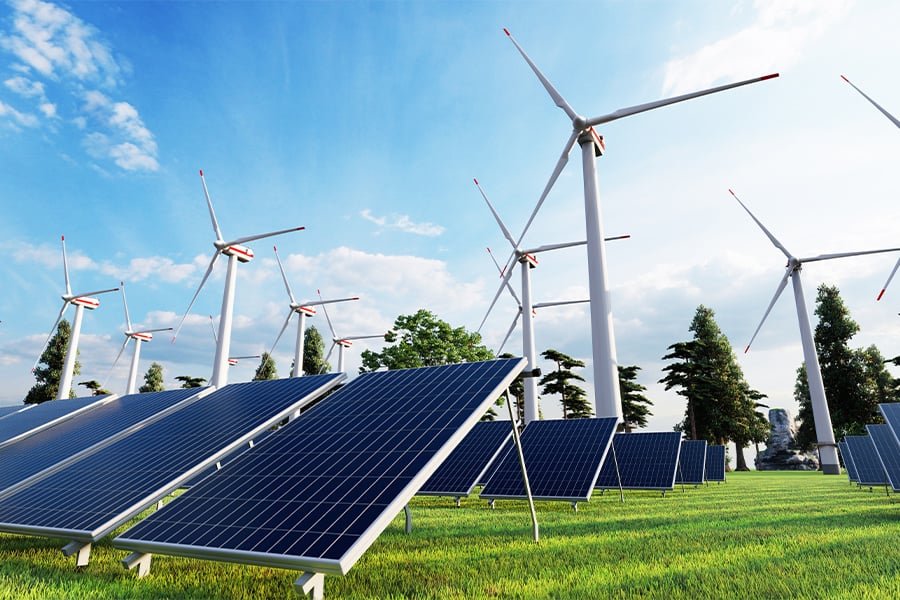
A hybrid solar power plant uses solar photovoltaic (PV) energy with some other source of power like batteries, diesel generators or grid power. This combined system will guarantee constant, dependable, and efficient energy production even in the absence of sunlight. With the increasing energy demands and to be sustainable, the use of hybrid solar systems is becoming popular in residential, commercial, and industrial uses. Governments and companies are now moving towards the adoption of hybrid solar plants to reach the goal of renewable energy and carbon neutrality. This is a guide on how they are designed, what they are made up of, their advantages, and their applications in the real world.
Overview of Hybrid Solar Power Plant
Hybrid solar power plants in Pakistan combine solar energy with any other source, be it battery storage or grid support, to provide constant as well as consistent electricity. They reduce reliance on oil, manage the price of power, and enhance energy security. The plants are suitable for industries, businesses, and communities that require a constant supply. Solar panels generate clean power during sunny days. Additional energy is stored or distributed.
Low sun rays cause the operations to continue smoothly with the help of stored or backup power. This adaptable system helps in sustainable expansion, reduces emissions as well as keeps the performance operational in fluctuating weather conditions. It also creates long-term value for the investors and users.
Key Components of a Hybrid Solar Power Plant
Solar Panels
Solar panels absorb the sun’s rays and transform them into direct current energy. They are the primary sources of energy in a hybrid plant. Quality panels enhance production, minimize losses, and offer performance over the long term in various weather types over several years, so that the returns are consistent for the investors.
Battery Storage
There are battery systems that store additional solar energy to be used at night or at times of cloud cover. They balance demand and supply, minimize grid dependence as well as secure operations during outages. Smart control enhances the charging cycles and increases battery life. This also facilitates the over-management of peak loads and the saving of costs.
Hybrid Inverter
The Hybrid inverters control the flow of power between the solar panels, batteries and the grid. They transform direct current into useful alternating current. State-of-the-art systems track performance, enhance efficiency, and have a seamless transition when there are changes in supply. This secures equipment and always makes operations stable and reliable.
Backup Power Source
A backup supply, like diesel or grid support, so that when there is insufficient solar and storage. It enhances reliability as well as carries critical loads. Efficient planning helps in minimizing fuel consumption and keeping the systems efficient. This choice assures the users as well as ensures continuity of the business in the process.
Control and Monitoring System
An intelligent control system is used to monitor real-time generation, storage and usage. It helps in remote access, fast decision-making as well as fault notices. Data reports enable the owner to plan how to maintain the equipment, enhance performance, and control energy expenses. This also helps in the future growth and improved energy planning to meet the growth requirements.
Step-by-Step Design Process of a Hybrid Solar Power Plant
Step 1: Load Assessment
The first step in solar power plant construction is to research the energy demand, daily trends, and peak loads. This helps in the determination of system size as well as storage requirements. Correct data also makes proper design, minimizes risks, and enhances the project’s success. It also supports cost planning and expansion decisions of businesses in the future.
Step 2: Site Evaluation
Engineers check on land, access to sunlight, shading as well as grid access. They verify soil, climate and environmental conditions. An appropriate location enhances production, reduces the installation fee, and provides a consistent operation. It also reduces technical problems and promotes long-term viability among investors and users throughout the seasons.
Step 3: System Design
The design team determines solar panels, batteries, inverters, and a backup source. They develop plans, work out capacity and safety. Enhanced design enhances efficiency, minimizes losses, and creates efficient operation. It also facilitates future upgrades and management of energy flexibly to meet the changing demand in expanding businesses.
Step 4: Financial Planning
Project teams prepare budgets, funding as well as return analysis. They compare the costs, savings and payback period. Confidence is achieved through clear planning, approvals are facilitated, and long-term sustainability is achieved. It is also attractive to investors, enhances cash flow and minimizes financial risks in terms of project implementation and operation in the project.
Step 5: Installation and Testing
Once the design has been approved, the teams install equipment, connect systems and test performance. They confirm efficiency, reliability and safety. Correct testing would guarantee an easy start, constant output and extended service. It also develops trust among users and helps in sustained monitoring to achieve improved outcomes over time for the system.
Significant Benefits of a Hybrid Solar Power Plant
The solar power plants are hybrid and can be used to provide reliable energy, reduce costs, and provide more control over the supply of power. They decrease fuel consumption, emissions, and sustainability objectives. Companies obtain energy security and predictability. Stored power will guarantee a supply of power during outages and peak demand. The systems also minimize electricity bills and enhance financial planning. Adaptable design is aiding in expansion and emerging technologies.
Hybrid plants are attractive to investors, provide employment and boost local economies. They also enhance grid stability and facilitate clean energy transition in most areas. They assist in achieving environmental objectives, enhance brand value and long-term resiliency of businesses and communities across the globe.
Start Powering Your Future with Advanced Hybrid Solar Solutions
Choose Firm DECON International Private Limited for innovative, reliable, and cost-effective hybrid solar power plant design and installation. Our expert engineers deliver customized energy solutions that reduce operational costs, enhance performance, and ensure uninterrupted power. Partner with us to achieve sustainability, energy independence, and long-term financial benefits.